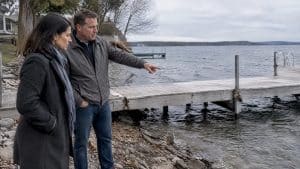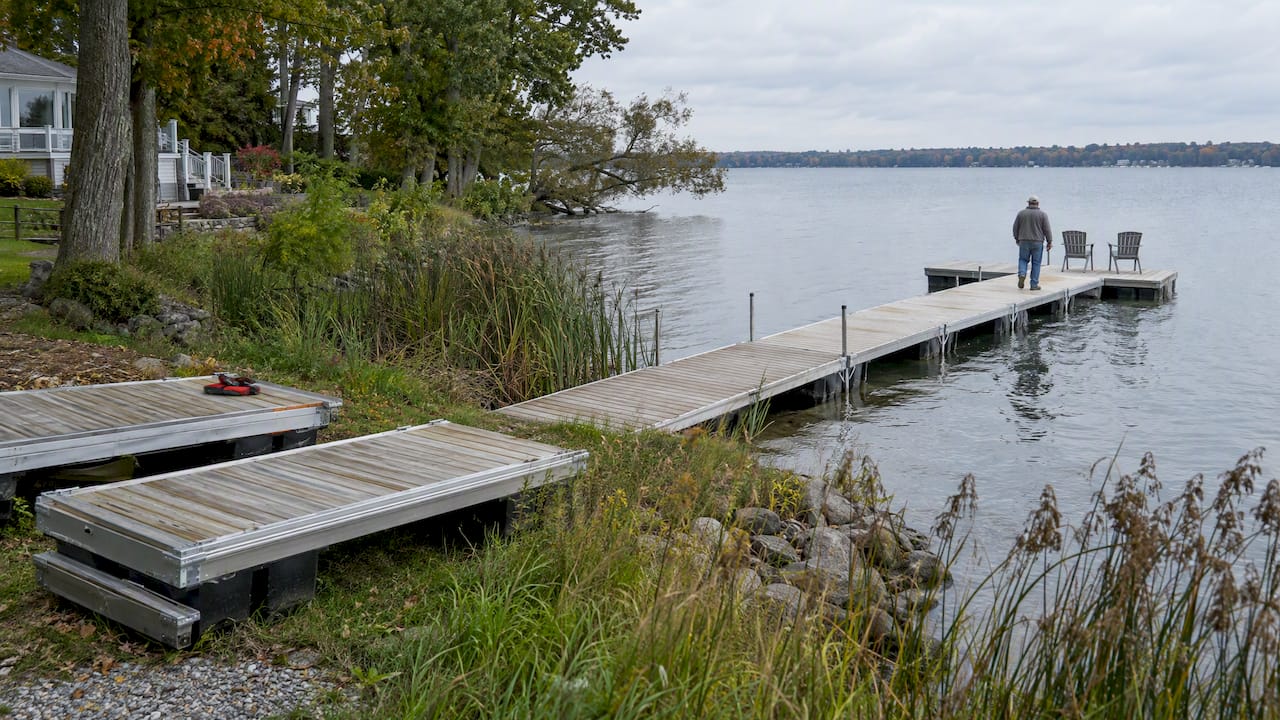
If you are planning to build or replace a dock on Lake Simcoe, the short answer is this: a small seasonal or floating dock can be exempt under Ontario Regulation 41/24, but only if it meets every condition in that exemption. Almost everything else, including any dock with permanent supports, needs a permit from the Lake Simcoe Region Conservation Authority (LSRCA) or a work permit under the Public Lands Act if Crown shorelands are involved. Confirm your jurisdiction before you touch the shoreline.
TL;DR:
- Docks larger than 10 square meters, with permanent supports or left in place year-round, require permits from the Lake Simcoe Region Conservation Authority or under the Public Lands Act.
- The exemption for small floating or seasonal docks applies only if the structure is 10 square meters or less, has no permanent supports, and can be removed during flooding; any change to these conditions voids the exemption.
- Confirm property regulation status by checking LSRCA maps, consulting staff, or contacting relevant agencies before purchasing or beginning construction.
- Incomplete permit applications or retrofitting a dock into a permanent structure after installation can cause delays and higher fees, especially if prior approvals are missing.
- Shoreline projects that incorporate native vegetation, avoid hard structures, and minimize disturbance tend to gain approval more smoothly under the Lake Simcoe Protection Plan.
Which authorities and laws govern docks on Lake Simcoe
Three layers of regulation can apply to your dock, and they do not always overlap the way owners expect.
The LSRCA regulates development in areas subject to flooding, erosion, unstable soils and wetlands under the Conservation Authorities Act, and it applies Ontario Regulation 41/24 across the whole watershed. If your property falls inside a regulated area, you generally need an LSRCA permit before you build, enlarge or replace a dock.
Where the dock touches Crown-owned shore lands or lakebed rather than your own property line, a separate work permit under the Public Lands Act may apply, administered by the relevant ministry office.
Layered over both of these is the Lake Simcoe Protection Plan, which sets the policy direction for shoreline decisions across the watershed.
- LSRCA permits address flooding, erosion and wetland risk under provincial regulation.
- Public Lands Act permits address work on Crown shore lands and lakebeds.
- The Lake Simcoe Protection Plan shapes how both agencies weigh environmental priorities.
Exemptions: seasonal and floating dock rules
Ontario Regulation 41/24 exempts a seasonal or floating dock from permit requirements, but only when it satisfies all three conditions at once.
- The dock footprint is 10 square metres or less.
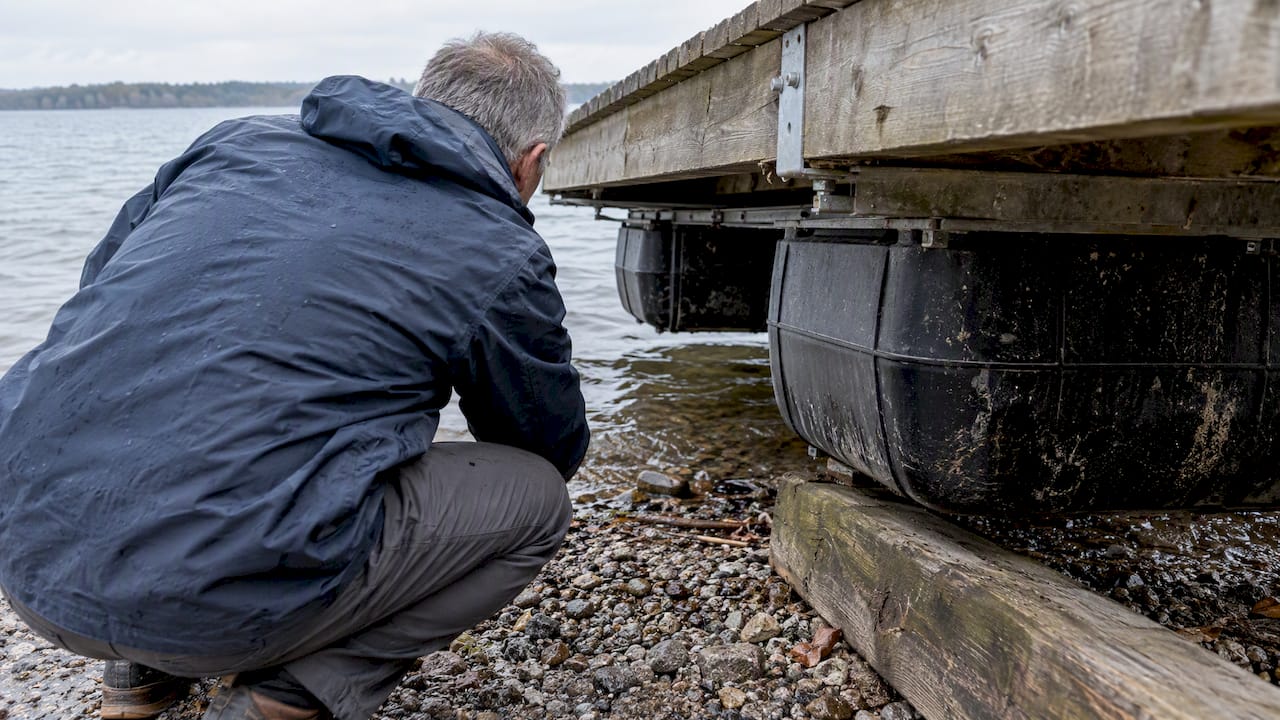
- It has no permanent support structures, such as piles or cribbing.
- It can be removed during flooding, not left in place year-round.
Adding cribbing, driving permanent piles, or expanding past the 10 square metre threshold voids the exemption immediately, even if the original structure once qualified. Many owners lose exempt status gradually, one small upgrade at a time, without realizing each change needs its own review.
Pro Tip: Keep dated photos of your dock’s flotation points and a written note describing how it comes out of the water each fall. It costs nothing and it is the first thing LSRCA staff will ask for if your exemption is ever questioned.
How to check whether your property is in a regulated area
Before you order materials or hire a contractor, confirm your property’s regulatory status.
- Check the LSRCA’s regulated-area mapping or permit guidance page for your address.
- Call LSRCA regulations staff directly if the map is unclear or your lot straddles a boundary.
- Ask your municipality about additional shoreline bylaws that may apply on top of provincial rules.
- If your property borders Crown shore lands, contact the relevant ministry work centre about Public Lands Act permits.
Have your property’s PIN, civic address and a few current photos ready before you call. It shortens the conversation and often tells staff immediately which permit stream applies to your situation.
Application checklist: what to include with a dock or shoreline permit application
A complete application moves faster, and incomplete submissions are the single biggest cause of delay.
- A scaled site plan showing dock dimensions, materials, and distance from lot lines and the shoreline.
- Photographs of the existing shoreline and proposed dock location from several angles.
- A survey or legal plan of the property, where one is available.
- A natural heritage evaluation, geotechnical report or hydraulic analysis, when the site involves wetlands, steep banks or unstable soils.
- Early pre-consultation notes from LSRCA staff or a qualified shoreline professional.
LSRCA fee policy notes that retroactive permits carry higher charges than permits sought before construction begins. Applying first, rather than explaining an already-built dock afterward, is almost always the cheaper and faster path.
Fees, application categories and typical timelines
LSRCA groups permits into routine, minor, intermediate and major categories, and the fee scales with complexity.
- Routine and minor residential work, like a straightforward dock replacement, sits at the lower end of the LSRCA fee schedule.
- Intermediate and major applications, involving larger structures, shoreline hardening, or environmentally sensitive sites, may cost more and require longer review times.
- Technical reports, re-submissions after an incomplete first application, and retroactive permits all add to the base fee.
The same fee policy flags higher charges specifically for permits filed after construction is already underway. Public consultation requirements, complex environmental studies, or an appeal can all push a routine timeline out by weeks or months, so building in a buffer before a closing date or a contractor’s booked window is worth the trouble.
Shoreline restoration and design expectations under the Lake Simcoe Protection Plan
The Lake Simcoe Protection Plan sets the policy backbone behind most dock and shoreline decisions on the lake, and it leans firmly toward keeping shorelines in a natural state.
- Vegetation protection zones limit how much of the natural shoreline can be cleared for dock access.
- Shoreline hardening, such as retaining walls or extensive armour stone, faces tighter scrutiny than softer approaches.
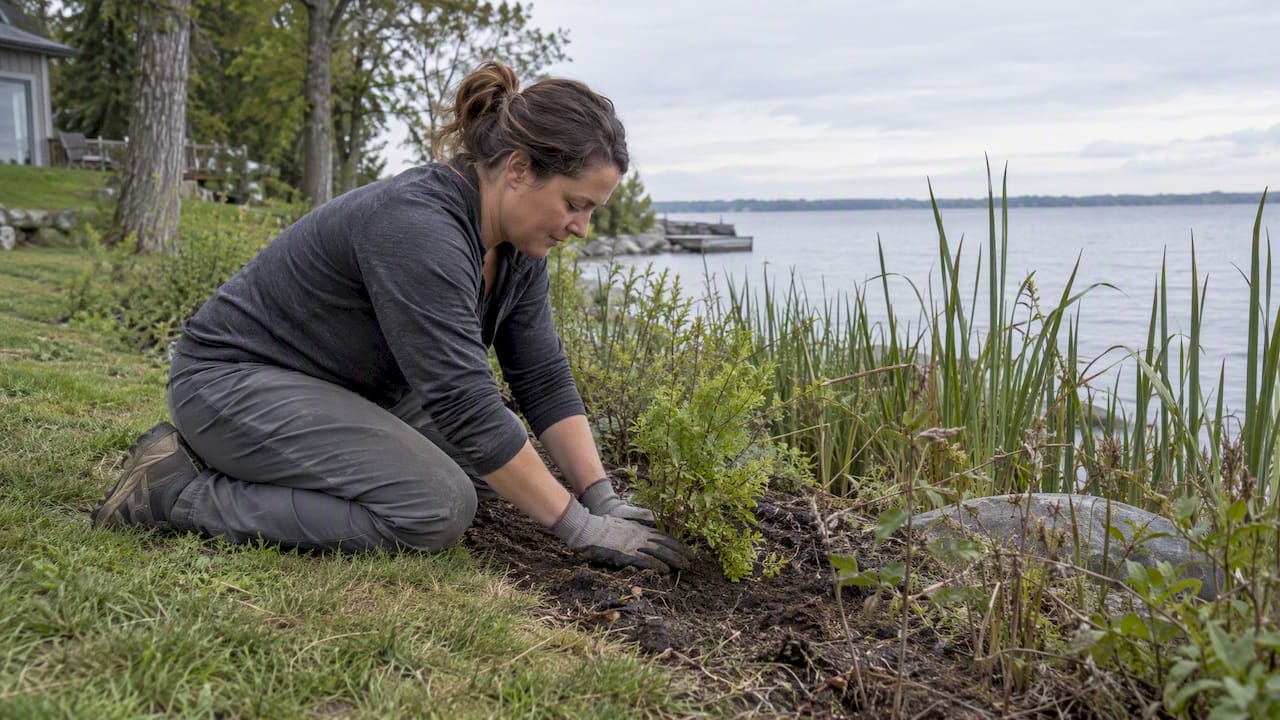
- Restoration using native plantings and bioengineering is the preferred design direction, not an afterthought added at the end.
In practice, this means a dock application that incorporates native vegetation buffers, minimizes hard surfaces, and avoids unnecessary clearing tends to move through review more smoothly than one that does not. Regulators may require compensatory planting or a restoration plan as a condition of approval, particularly where the existing shoreline has already been altered or eroded.
Pro Tip: If your lot has a stretch of lawn running right to the water, budget for a native buffer planting as part of your dock project. It often turns a conditional approval into a straightforward one.
Common pitfalls, compliance risks and practical pro tips from local advisors
Most permit delays on Lake Simcoe trace back to a handful of avoidable mistakes.
- Submitting an incomplete application, missing drawings or site photos, is the most common reason a file gets bounced back for revisions.
- Converting a seasonal, exempt dock into a permanent structure after installation, piece by piece, triggers retroactive permit requirements and higher fees.
- Scheduling in-water work without checking Fisheries and Oceans Canada timing windows for fish spawning seasons can force a contractor off the lake mid-project.
Pro Tip: Hire a surveyor or shoreline professional for anything beyond a basic floating dock. The cost of a professional drawing is almost always smaller than the cost of a rejected application and a second round of fees.
Local advisor perspective: what I tell clients buying waterfront on Lake Simcoe
What I tell my clients before they write an offer on Lake Simcoe waterfront is simple: ask for every existing dock permit in writing, and confirm the property’s regulated-area status before conditions expire. A permit gap discovered after closing becomes your problem, not the seller’s.
What most buyers don’t realize is how much a pending or missing permit can affect a closing date. If a shoreline structure needs retroactive approval, that timeline can stretch negotiations by weeks. I tell every waterfront client to call LSRCA, a shoreline professional and a surveyor early, before the deal is firm, not after.
— Felix
How our team supports waterfront buyers through permit uncertainty
We cannot approve a dock permit for you, and we would never claim to. What we do offer is the pre-offer groundwork that keeps a permit surprise from derailing your purchase: checking whether a property’s existing dock or boathouse has documentation on file, flagging shoreline conditions worth a second look, and connecting you with qualified shoreline professionals before you remove conditions.
- We review listing history and available permits for waterfront properties in Friday Harbour and Innisfil.
- We refer buyers to shoreline and survey professionals when a dock’s status needs a closer look.
- We factor permit and closing timelines into our negotiation strategy for waterfront offers.
If you are weighing a purchase at Friday Harbour or elsewhere on the Lake Simcoe shoreline, our current listings are a good place to start the conversation.
FAQ
Do I need a permit for a small floating dock on Lake Simcoe?
Not necessarily. A seasonal or floating dock can be exempt under Ontario Regulation 41/24 if it is 10 square metres or less, has no permanent supports, and can be removed during flooding. Any dock that fails even one of those conditions likely needs an LSRCA permit.
How do I know if my Lake Simcoe property is in a regulated area?
Check the LSRCA’s permit guidance or call their regulations staff directly with your property address and PIN. If your lot touches Crown shore lands, you may also need to contact the ministry office handling Public Lands Act work permits.
What happens if I build a dock without a permit?
Building without a required permit can lead to a retroactive permit application, which LSRCA’s fee policy charges at a higher rate than an application filed before construction. You may also be asked to modify or remove the structure if it does not meet shoreline protection requirements.
Does the Lake Simcoe Protection Plan require native plantings around a dock?
The Lake Simcoe Protection Plan favours natural shoreline processes and may set restoration or native planting conditions as part of a permit approval, particularly where the shoreline has already been disturbed. It does not mandate a fixed planting plan for every property, so requirements vary by site.
When should I avoid in-water dock construction on Lake Simcoe?
Construction that disturbs the lakebed should avoid Fisheries and Oceans Canada timing windows tied to fish spawning seasons. Confirm these windows with your contractor and your permit office before scheduling any in-water work.