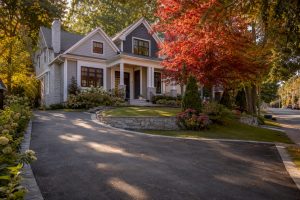
A private backyard is one of the most underrated forms of family health infrastructure you can own. It delivers mental-health benefits, daily developmental support for children, and practical living space that public parks simply cannot replicate on a Tuesday evening after dinner. Research confirms that living near the greenest neighbourhoods correlates with a significantly lower likelihood of developing depression. A yard puts that green access steps from your back door, not a drive away.
Three reasons families consistently prioritise outdoor space when choosing a home:
- Health and wellbeing: Immediate access to nature supports stress regulation, sleep, and children’s emotional development without scheduling a trip anywhere.
- Daily convenience: A yard absorbs pets, bikes, outdoor dining, and spontaneous play in ways that shared amenities never quite match.
- Resale pragmatism: Canadian buyers consistently rank outdoor living areas among their top preferences, and well-executed yards can return strong value at resale.
The trade-offs are real: maintenance costs, municipal bylaws, and seasonal limitations all factor in. But for most families, the convenience and safety of a private yard outweigh those costs by a wide margin.
Why backyard access shapes children’s development more than most parents expect
The connection between outdoor time and children’s mental health is not anecdotal. A CBC-reported study of roughly 13,000 subjects found that those living in the greenest neighbourhoods were about 20% less likely to develop depression. A private yard extends that protective effect directly into daily life, not just on weekends.
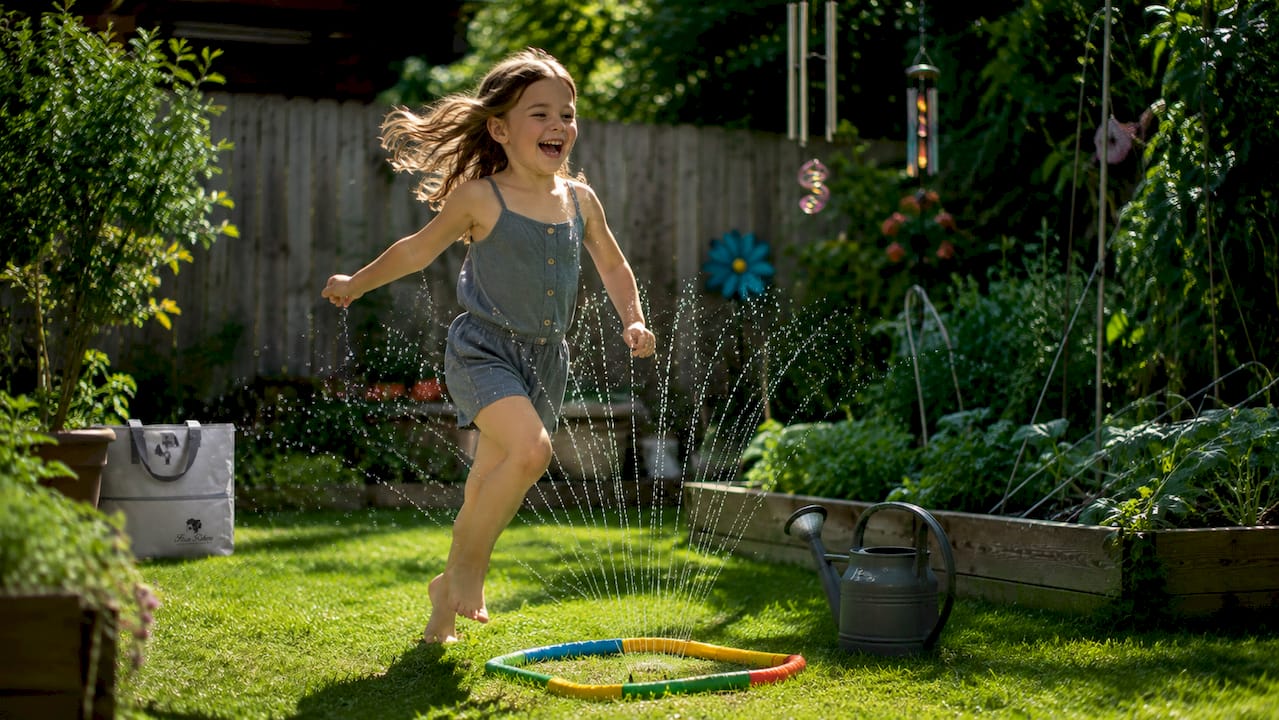
Three types of play drive the most developmental benefit:
Free play (unstructured time with minimal adult direction) builds problem-solving, risk tolerance, and social negotiation. A yard gives children a contained space to do this safely without a parent watching every move.
Nature exploration — turning over rocks, observing insects, growing a tomato plant — supports cognitive curiosity and attention regulation. EcoHealth Ontario notes that families living near accessible green space show measurably higher physical activity levels, a finding replicated across multiple studies.
Rough-and-tumble play (chasing, wrestling, climbing) develops gross-motor skills and emotional regulation. It also tends to happen spontaneously when children have outdoor space available, rather than requiring a planned outing.
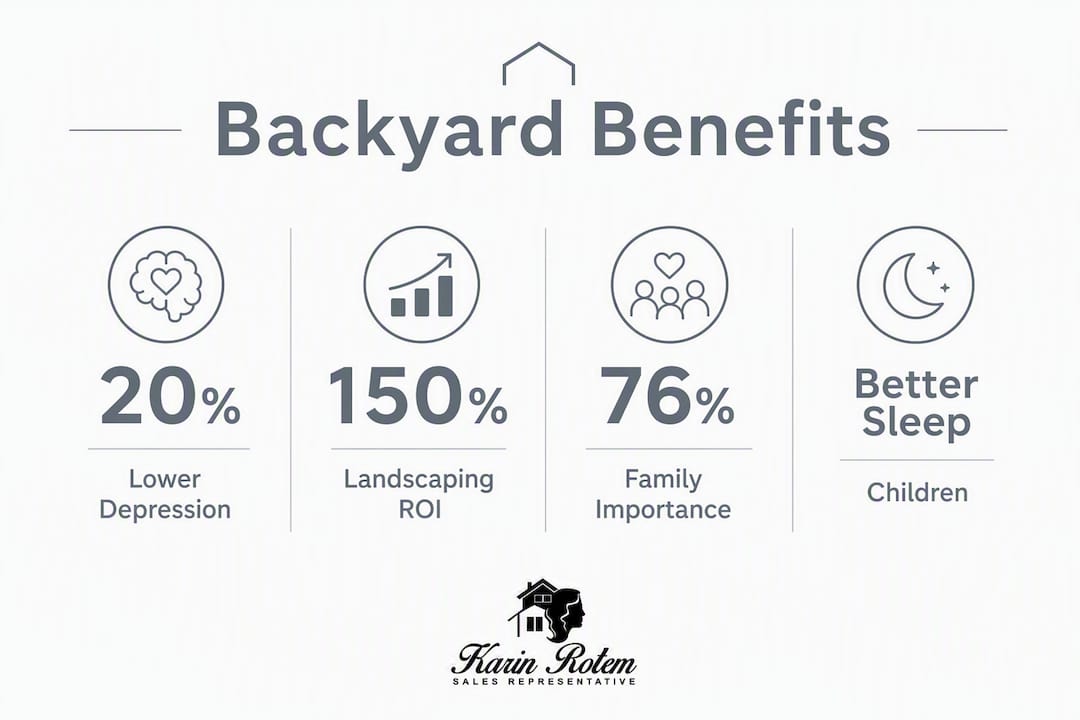
The cumulative effect is significant. Children with regular backyard access tend to sleep better, show improved attention in school, and report lower anxiety. For families in Ontario, where winters already compress outdoor seasons, having that access at home rather than depending on a public park makes a meaningful difference.
How a backyard changes your family’s daily routines and connection
The most underappreciated benefit of a private yard is immediacy. You do not need to pack a bag, load the car, or find parking. You open the back door.
Civic commentators framing backyards as health infrastructure point to exactly this quality: the short step outside delivers stress relief that public parks cannot match for busy parents. A ten-minute decompress after work, a spontaneous family dinner on the deck, a child burning off energy before bed — none of these require planning when the yard is right there.
“Backyards offer something public parks cannot: immediacy, privacy, and control. For a parent who needs ten minutes of quiet, or a child who needs to run, the private yard is always open.” — CRDWatch, 2026
Routine examples that families consistently report:
- After-work outdoor dinners that extend into evening without noise concerns
- Homework sessions at a patio table, which many children find easier to focus at than indoors
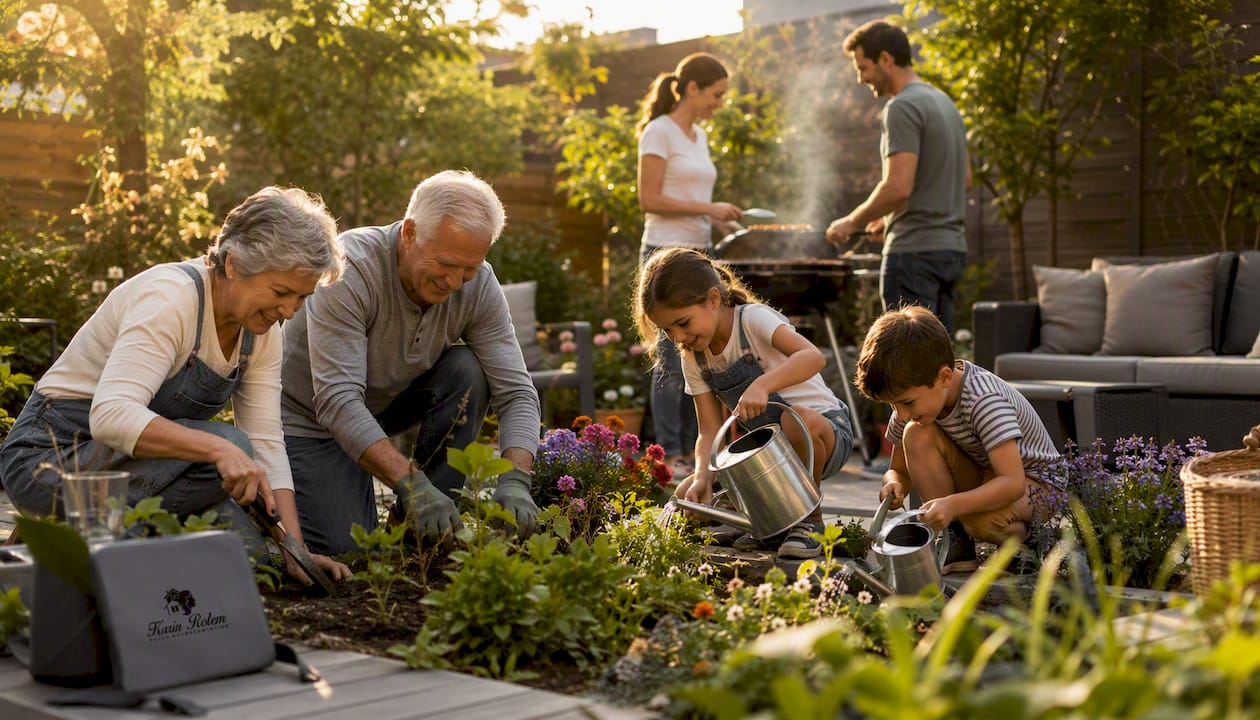
- Weekend gardening projects that become a reliable shared activity across age groups
A survey cited by Landscape Management found that 76% of yard owners describe their family yard as very important, with many reporting increased time spent outdoors since the pandemic. That shift has proven durable, not a temporary trend.
Practical reasons families need yard space beyond weekend entertaining
Most families use their yard for far more than summer barbecues. The practical, everyday utility is what makes outdoor space worth prioritising at the buying stage.
Common family use cases by yard size:
- Small yard (under 30 sq m): Container gardening, a compact play structure, pet run, outdoor dining for four, bike storage
- Medium yard (30–75 sq m): Full play set, raised garden beds, patio dining, lawn games, storage shed
- Large yard (75 sq m+): Pool or hot tub, trampoline, vegetable garden, outdoor kitchen, workshop or studio outbuilding
Quick cost and effort cues:
- A basic patio and lawn: low maintenance, high daily use, strong resale appeal
- Raised garden beds: low cost, moderate upkeep, excellent for family engagement
- Play structures: moderate cost, high child use, typically removed before listing
- Pools: high cost, high maintenance, polarising at resale (more on this below)
- Outdoor kitchen: moderate-to-high cost, strong appeal in premium markets
One practical point many buyers overlook: a yard also absorbs the clutter that otherwise fills garages and mudrooms. Bikes, sports equipment, seasonal toys, and garden tools all have a natural home outside. Families who move from a house with a yard to one without it consistently cite storage loss as one of the biggest lifestyle adjustments.
How to design a backyard your family will actually use year-round
The shift in landscape design over the past decade has moved decisively away from pristine lawns toward layered, functional outdoor rooms that serve cooking, active play, and quiet seating simultaneously. Total square metres matter less than how the space is organised.
Zoning is the core principle: a cooking and dining zone near the house, an active play zone further out, and a quiet seating or garden zone at the perimeter. Each zone serves a different family member and a different time of day, which means the yard gets used more consistently.
Designers describe “visual square footage” as the perceived living area created when a deck connects directly to the kitchen and sightlines flow naturally from indoors to outdoors. A well-executed indoor-outdoor connection can make a home feel substantially larger without adding a single interior square metre.
For Canadian climates specifically, durable hardscaping, proper drainage, and native plantings that survive freeze-thaw cycles are worth prioritising over decorative features. Privacy screening with hedges or trees, multi-season lighting, and a well-graded lot that drains quickly after snowmelt will serve a family better than a trendy water feature that requires draining every October.
Pro Tip: Before spending on any feature, address drainage and hardscape first. A yard that floods or heaves every spring will undermine every other investment you make in it.
Safety rules and municipal bylaws you need to check before changing your yard
What you can and cannot do in a Canadian backyard varies significantly by municipality, and the rules catch many families off guard.
- Fencing: Most municipalities set maximum fence heights (commonly 1.8 m for rear yards, lower for front yards) and require permits for new fences or replacements. Setback rules govern how close a fence can sit to a property line.
- Pool barriers: Ontario’s Building Code requires a fence enclosing any pool with water deeper than 60 cm, with self-latching gates. Many municipalities add stricter local requirements. Check your local bylaw before installation.
- Accessory structures: Sheds, studios, and playhouses above a certain size (often 10 sq m) typically require a building permit. Placement rules restrict proximity to property lines and easements.
- Heritage and conservation overlays: Properties near ravines, wetlands, or heritage designations may face additional restrictions on grading, tree removal, and structures. Toronto and many Innisfil-area properties near Lake Simcoe fall into this category.
- Playground surfacing: For liability and safety, impact-absorbing surfaces (wood chips, rubber mulch, pea gravel) are recommended under any structure with a fall height above 50 cm.
The simplest verification step: search your municipality’s website for the zoning bylaw and call the building department before starting any project over a few thousand dollars. A permit pulled after the fact costs more and can complicate a future sale.
How backyard features affect resale value in Canada
Not all outdoor upgrades pay back equally. The table below summarises typical return ranges from industry reporting, with the important caveat that returns vary by neighbourhood, buyer profile, and market conditions.
| Upgrade | Typical cost recovery | Notes |
|---|---|---|
| Strategic landscaping | Up to 150% | Curb appeal and first impressions drive outsized returns; some sources report very strong ROI in well-chosen projects |
| Patio or deck | 65–75% | Consistent performer; connected to kitchen adds most value |
| Outdoor kitchen | 100–200% in premium markets | Highly market-dependent; less reliable in mid-range areas |
| Pool | Modest; polarising | Roughly one-third of buyers want one, one-third are indifferent, one-third view it as a negative |
| Privacy screening | Strong perceived value | Low cost, high impact on buyer comfort and perceived space |
Source: Canadian Real Estate Magazine; MoneySense
The pool question deserves direct attention. A pool can be a genuine lifestyle asset for the right family in the right market. But because buyer preferences split roughly into thirds, a pool is a risky resale bet unless comparable homes in your neighbourhood already have them and sell at a premium. Canadian buyers consistently rank multi-functional outdoor living areas above single-use features.
What I tell clients who are weighing a pool: ask whether you are buying for your family’s enjoyment or for resale. If it is primarily for enjoyment, go in with clear eyes about the ongoing cost. If resale is the driver, a well-designed patio and privacy screening will serve you better in most markets.
Easy backyard activities your family can start this weekend
You do not need a finished yard to start using it. These activities work across a range of ages and yard sizes.
- Simple obstacle course (toddlers to school-age; any size): pool noodles, hula hoops, and lawn chairs. Set up in 15 minutes, burns energy for an hour.
- Container gardening (all ages; small yards): one pot, one packet of seeds, one child in charge. Tomatoes, herbs, and sunflowers all work well in Ontario summers.
- Storytime blanket (toddlers; any size): a blanket, a few books, and shade. Outdoor reading is calmer than it sounds and builds a habit.
- Backyard scavenger hunt (school-age; any size): a list of things to find (a smooth rock, something yellow, a bug). No prep, no cost.
- Lawn bowling or bocce (all ages; medium to large): low cost, multigenerational, and works right through September.
- Stargazing night (school-age to teens; any size): a blanket, a free sky-map app, and a clear evening. Works especially well outside cities like Innisfil.
- Bird feeder project (school-age; small yards): building and hanging a simple feeder teaches patience and observation over weeks.
- Chalk art (toddlers to school-age; patio or driveway): washable, free-form, and keeps children occupied for long stretches.
- Outdoor movie night (all ages; medium to large): a white sheet, a projector or tablet, and a warm evening. Works from late May through September across most of Ontario.
- Winter snow fort (school-age; any snowy yard): one of the few activities that makes a Canadian winter feel like an asset rather than a limitation.
For short Canadian seasons, the key is lowering the barrier to entry. Activities that require no setup and no cleanup get used; elaborate ones do not.
Key takeaways
A private backyard functions as compact family health infrastructure, delivering mental-health, developmental, and practical living benefits that consistently influence both daily quality of life and long-term resale value.
| Point | Details |
|---|---|
| Green space and mental health | Living near green space links to roughly 20% lower depression risk; a private yard puts that access steps from your door. |
| Children’s development | Regular outdoor access supports sleep, attention, gross-motor skills, and emotional regulation across all age groups. |
| Resale-smart upgrades | Patios, decks, and landscaping often recover a substantial portion of cost; pools are polarising and suit only specific markets. |
| Design over size | Functional zoning and indoor-outdoor connections add perceived living space without interior renovations. |
| Karinrotem guidance | Karinrotem helps Toronto and Innisfil families evaluate yards against lifestyle-driven real estate priorities and local resale data. |
What I tell clients looking for a family-friendly yard in Toronto and Innisfil
When I walk a property with a family, the yard is one of the first things I assess — not because it is the most expensive feature, but because it is one of the hardest to fix after you buy.
Here is my showing checklist for yards:
- Sightlines: Can you see the play area from the kitchen? If not, the yard will be used less than you expect.
- Drainage: Does the lot slope away from the house? A yard that pools water after rain is a recurring problem in Ontario’s spring and fall.
- Usable seasons: Is there shade for summer and wind protection for shoulder seasons? A yard with no shade is uncomfortable from July through August.
- Privacy: Are the neighbours close? Mature trees or a solid fence line make a significant difference to how often families actually use the space.
- Proximity to schools and parks: A smaller yard is far more acceptable when a quality park is a two-minute walk away.
What most buyers do not realise is that a modest, well-oriented yard often outperforms a large one that faces north, sits in a flood zone, or backs onto a busy road. In Friday Harbour, for example, many properties trade a traditional backyard for shared waterfront access and green corridors, which suits certain families very well. In Toronto’s east end, a south-facing yard of 40 sq m can be more liveable than a 100 sq m north-facing lot that gets sun only in midsummer.
The honest trade-off: if a nearby park is excellent and the neighbourhood is walkable, a smaller yard is a reasonable compromise, especially for buyers stretching their budget. If you have young children and no park within easy walking distance, I would not compromise on yard size. The remote work shift has also changed this calculus for many families, who now use their yards during weekday hours in ways that were not typical five years ago.
Finding the right family home with the right yard
If you are searching for a home where the yard genuinely fits your family’s life, Karinrotem brings the local market knowledge to make that search specific rather than speculative. Whether you are weighing a Toronto neighbourhood with strong park access against an Innisfil property with a larger private lot, or comparing Friday Harbour’s waterfront lifestyle to a traditional family home, the right answer depends on your children’s ages, your timeline, and your resale horizon.
Karinrotem’s approach combines neighbourhood-level insight, resale-minded advice, and tailored property matching so you are not choosing between square footage and lifestyle. You can browse current family-friendly listings or reach out directly for a personalised search built around the yard features that matter most to your household.
Useful sources
The following sources informed the research and claims in this article. All are Canada-focused or directly relevant to Canadian families and markets.
- Green space helped avert pandemic depression, research confirms — CBC News: Primary source for the 20% reduced depression statistic linked to green-space access.
- Green Space and Family Health — EcoHealth Ontario: Ontario-focused reporting on physical activity and health outcomes for families near green space.
- Backyarding in the U.S. and Canada — Landscape Management: Survey data on yard use frequency and the 76% importance rating.
- Boost your property value: 7 outdoor upgrades — Canadian Real Estate Magazine: ROI figures for landscaping, decks, patios, and outdoor kitchens in Canadian markets.
- Upgrading your backyard? Here’s how to keep reno costs in check — MoneySense: Pool polarisation data and advice on staging backyard projects to manage costs.
- Urban backyards are disappearing — The Globe and Mail: National context on the cultural value Canadians place on private yard space amid densification pressures.
FAQ
Why is having a backyard important for families?
A private backyard gives families immediate, private access to outdoor space that supports children’s physical and mental development, daily stress relief, and practical living needs like pet runs, storage, and outdoor dining. Research links green-space access to a roughly 20% lower risk of depression.
What backyard features decrease property value?
Poorly maintained yards, neglected pools, and overgrown landscaping consistently reduce buyer appeal and perceived value. Pools are particularly polarising: roughly one-third of buyers view them as a negative due to maintenance costs and safety concerns.
What do families typically prioritise when buying a home?
Most families prioritise school proximity, neighbourhood safety, and sufficient indoor space, but Canadian buyers consistently rank outdoor living areas among their top preferences, particularly families with young children or pets.
Can you do whatever you want in your backyard in Canada?
No. Fence heights, pool barriers, accessory structures, and tree removal are all regulated at the municipal level across Canada. Ontario’s Building Code sets minimum pool fencing requirements, and most municipalities add their own rules. Always check local bylaws before starting any significant backyard project.
When is a nearby park a reasonable substitute for a private yard?
A quality park within a two-minute walk can offset a smaller yard, particularly for older children and families without pets. For toddlers, families with dogs, or households that use outdoor space on weekday mornings, a private yard tends to be more practical than park access alone.
Recommended
- What Are the Best Floorplans for Resale Value at Friday Harbour? Smart Layouts for Buyers – Karin Rotem Real Estate Agent
- What does remote work enable homebuyers to choose in 2026?
- Benefits of owning a second home in Ontario
- What Are Buyers Looking for in Friday Harbour Homes? – Karin Rotem Real Estate Agent