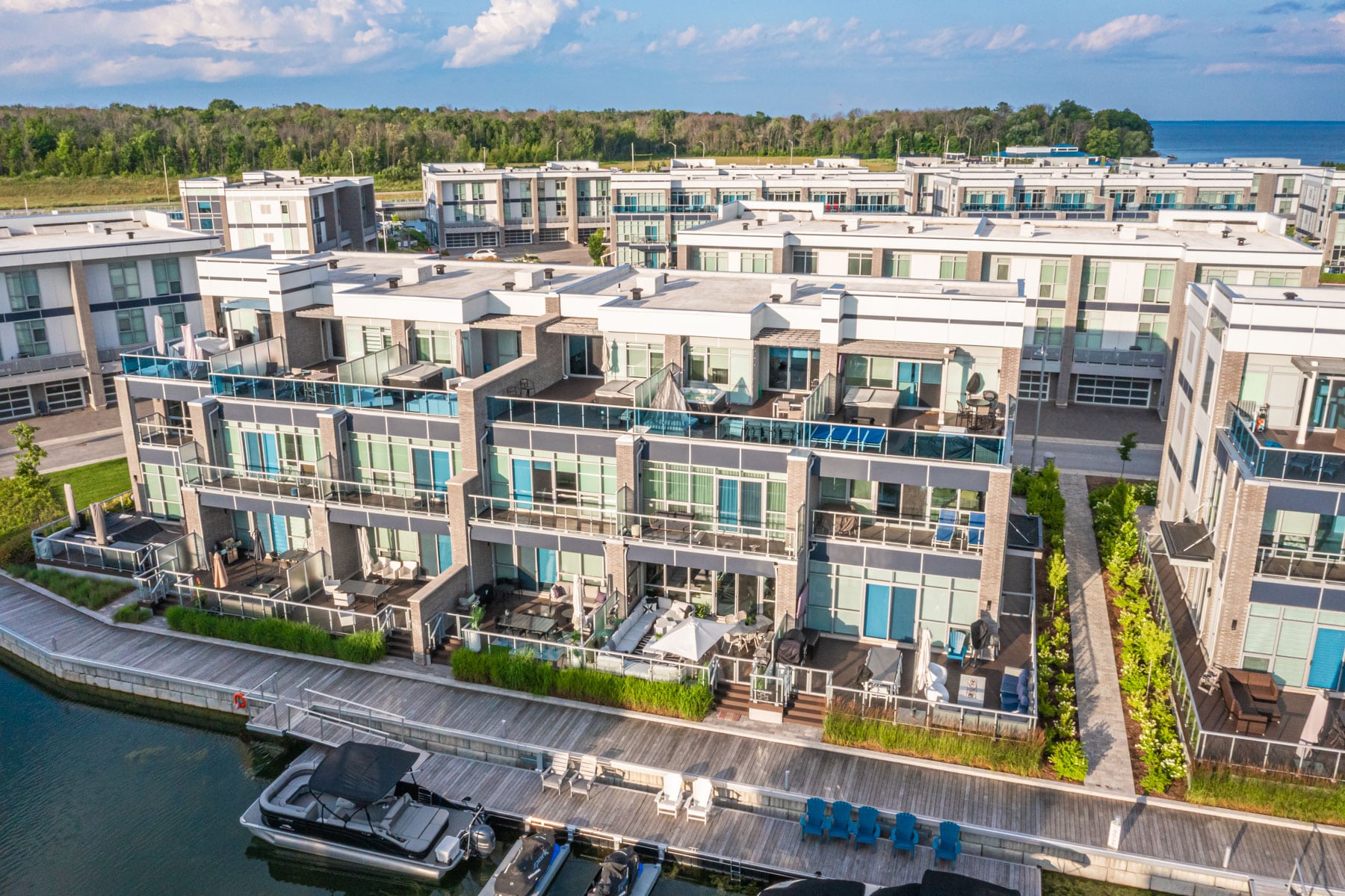
One of the most common questions I get from buyers looking at resort-style ownership is whether they can update the unit after closing. That is exactly where Friday Harbour Condo renovation rules become so important. People see the lifestyle, the finishes, and the waterfront setting, then immediately start thinking about flooring, kitchens, paint colors, built-ins, lighting, and rental-friendly upgrades. In my experience, the answer is usually not a simple yes or no. It depends on the condominium corporation’s rules, the type of work being proposed, whether approvals are required, and how the renovation could affect neighboring units, shared systems, or the overall character of the community. Buyers exploring Friday Harbour real estate and community options should understand those limits before they buy, not after.
What condo renovation rules at Friday Harbour actually involve
When people hear “renovation rules,” they often think only about major construction. In reality, condominium renovation policies usually cover a much wider range of changes. Depending on the building and the declaration, bylaws, and rules in place, restrictions may apply to flooring changes, plumbing relocations, electrical work, cabinetry, wall removals, window coverings, exterior-facing elements, balconies, and even noise and work-hour schedules.
At Friday Harbour, that matters because this is not just a typical condo setting. It is a carefully planned waterfront community with shared amenities, common elements, design consistency, and, in some cases, short-term or seasonal occupancy considerations. That means owners often need to think beyond personal taste. They also need to consider building systems, property management procedures, and whether the work could interfere with other residents or community standards. Anyone researching Friday Harbour condos, ownership considerations, and community features should treat renovation flexibility as part of the buying decision.
Friday Harbour Condo renovation rules: what buyers and owners should expect
In most condominium communities, owners are responsible for the interior space they own, but that does not mean they can freely renovate anything inside the unit. I always explain that condos come with private ownership and shared governance at the same time. You own your unit, but the building structure, mechanical systems, hallways, exterior features, and many operating standards are shared.
That is why Friday Harbour Condo renovation rules generally come down to a few core questions:
Does the work affect common elements or shared systems?
This is often the biggest issue. Plumbing stacks, electrical infrastructure, structural walls, ventilation, sprinklers, windows, and balcony components may be tied to the corporation’s responsibility or oversight. If a renovation touches any of those, approval is often required, and in some cases, the answer may be no.
Is board or property management approval needed?
For cosmetic work such as repainting walls or swapping cabinet hardware, approval may be minimal or unnecessary. For flooring replacement, bathroom updates, kitchen reconfiguration, or anything involving contractors, management often requires advance notice, contractor details, proof of insurance, permits where applicable, and a clear scope of work.
Will the renovation create noise, access, or safety issues?
Even a straightforward project can create disruption. Elevators may need to be booked. Certain work hours may be restricted. Debris removal may need to follow building procedures. Deliveries and contractor parking can also be controlled more tightly in resort-oriented communities.
Could the change affect resale, rental use, or marketability?
This is the part many buyers overlook. Some upgrades improve everyday enjoyment but do not necessarily improve value. Others can make the unit more attractive to future end users, seasonal residents, or buyers comparing nearby inventory. Every situation is different, which is why I always encourage owners to think strategically before spending money.
Who this matters most to
First-time buyers
First-time buyers are often focused on the purchase price, monthly fees, and whether the condo feels move-in ready. What surprises many of them is that a unit that seems “fixable” may not be as flexible as a freehold property. If you are buying with plans to renovate right away, you need to review condo documents and renovation policies early. A lower purchase price does not always create a better opportunity if the updates you want are restricted.
Move-up buyers and lifestyle buyers
Move-up buyers often want more personalization. They may be downsizing from a detached home where they were used to changing anything they wanted. In a condo setting, that freedom is different. I often remind clients that convenience and amenities come with tradeoffs. The more structured the community, the more likely there are rules around renovations, contractor access, and design consistency.
Sellers
Sellers also need to be careful. I have seen owners spend heavily on updates that did not line up with buyer demand. In many cases, smart cosmetic improvements, proper maintenance, and documentation of approved work matter more than a full interior overhaul. If you are preparing to sell, it helps to compare your unit with recent sold homes in Barrie and surrounding markets to understand how buyers respond to condition, finishes, and pricing in the broader area.
Investors
Investors usually look at renovation choices through the lens of return. That is reasonable, but condos require a more measured approach. Before planning upgrades for a rental-oriented unit, I typically recommend confirming not just renovation permissions, but also how the finishes will hold up, how quickly the unit can be turned over, and whether the changes actually support the type of tenant or guest profile you want to attract. Owners reviewing Friday Harbour rental opportunities and occupancy considerations should think about durability and compliance, not just appearance.
Business owners and commercial-minded purchasers
Where mixed-use or commercial opportunities are part of the discussion, renovation rules can be even more layered. Business owners may need to consider signage, accessibility, mechanical requirements, use restrictions, and lease obligations in addition to condominium rules. This depends on the property type. A personalized strategy makes the biggest difference.
Financing and affordability
Renovation budgets can stretch quickly. Buyers may be approved for the purchase but underestimate the cash needed for post-closing improvements, temporary accommodations, contractor deposits, permits, or unexpected building requirements. I always suggest building in a cushion. Condo renovations can be efficient, but they are rarely as simple as they look at first glance.
Property condition and inspections
Inspections still matter, even in condos. Buyers sometimes assume the corporation handles everything significant. That is not always the case. Inspectors can identify issues within the unit, while status documents help reveal broader building concerns, reserve fund matters, or rule-related limitations. Looking at the property in the context of the wider Simcoe real estate market can also help buyers compare value, condition, and long-term fit.
Negotiation strategy
If renovation plans are central to your purchase, that should shape the offer strategy. I often advise clients not to make assumptions. Instead, we look closely at documents, ask targeted questions, and assess whether the deal still makes sense if certain changes are not approved. Smooth transactions usually happen when expectations are realistic from the start.
Timelines and expectations
One of the biggest frustrations for owners is timing. Even minor work can move more slowly in a condominium environment because of approval processes, contractor scheduling, elevator reservations, and building rules. If you are hoping to close and renovate immediately, it is wise to plan for delays rather than assuming everything will start the next day.
Risk versus return
Not every upgrade adds equal value. In many cases, refinishing surfaces, improving lighting, updating fixtures, and selecting durable materials create a better return than reworking the layout. Buyers and investors are often surprised to learn that tasteful, practical updates tend to age better than highly specific design choices.
What I see in the local market
In my experience working in this market, the smoothest transactions happen when buyers treat renovation due diligence as seriously as financing and price. The most stressful deals usually involve assumptions, especially when someone believes condominium ownership works the same way as freehold ownership.
I also see a consistent pattern: communities with strong lifestyle appeal tend to place real value on uniform standards, predictable maintenance, and owner accountability. That is not a bad thing. In fact, it often helps preserve the overall appeal of the property. But it does mean buyers need to think ahead.
For anyone comparing options across the region, it helps to explore how different communities are positioned within the broader local communities and neighbourhoods served across the area. Renovation flexibility, building age, reserve planning, and ownership goals can vary more than people expect.
Practical guidance before you renovate
Review the documents before you commit
What I typically recommend is starting with the condominium documents. Look for the declaration, bylaws, rules, status certificate materials, and any renovation guidelines or alteration agreements. These documents often answer the questions that buyers ask too late.
Get specific about the work
“Renovation” is too broad to be useful. Make a clear list. Are you changing floors? Moving plumbing? Replacing cabinets? Adding built-ins? Updating lighting? The more specific you are, the easier it is to confirm whether approval, permits, or contractor requirements apply.
Budget for the hidden costs
Set aside room for building deposits, contractor insurance requirements, elevator bookings, disposal fees, permit costs, and timing delays. This is one area where conservative planning helps.
Think about long-term use
Ask yourself whether the upgrade is for your own enjoyment, future resale, or rental performance. Those are different goals, and they can lead to very different renovation choices.
Keep the paper trail
If the work is approved, keep copies of approvals, invoices, warranties, permits, and contractor information. That documentation can be helpful later, especially when selling.
Near the end of any buying conversation, I come back to the same point: Friday Harbour Condo renovation rules should be viewed as part of the property itself. They are not a side issue. They affect affordability, design choices, timelines, and, in some cases, the overall suitability of the purchase.
If you are weighing whether a Friday Harbour condo is the right fit for your lifestyle, investment plans, or future resale goals, I invite you to reach out for personalized guidance on buying, selling, or evaluating property at Friday Harbour. I am always happy to help you look at the details before you make a move.