Open houses remain a genuinely useful tool in Canadian real estate, but not for the reason most sellers assume. Their direct conversion rate to same-day sales is modest. The National Association of Realtors states that a small share of sales are attributed to open houses. Yet agents across Canada keep holding them, and for good reason: the role of open houses in modern selling is less about closing on the spot and more about creating momentum, generating leads, and giving buyers the physical validation that no virtual tour can replicate.
What I tell my clients is that an open house is a complement to your digital marketing, not a replacement for it. Buyers find the listing online, then use the open house to confirm what the photos promised. That confirmation step is where decisions get made.
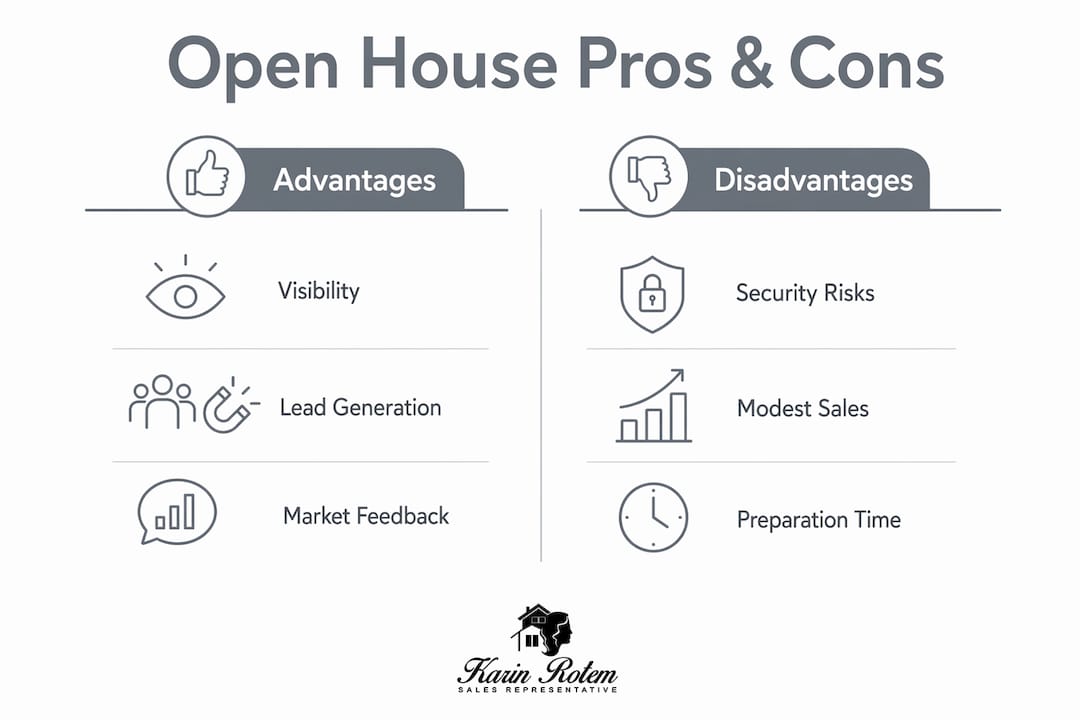
- Open houses provide in-person buyer validation that digital tools cannot fully deliver.
- They attract multiple buyers simultaneously, maximising exposure in a single event.
- Agents use them to connect with unrepresented buyers and build their networks.
- Conversion rates from open houses alone are modest, but their value lies in lead generation and market feedback.
- A well-run open house creates energy around a listing that private showings rarely match.
When does an open house actually make sense?
Not every property or market condition calls for one. Open houses work best when buyer traffic is active and the neighbourhood draws weekend foot traffic naturally. In a balanced or seller’s market, the foot traffic tends to be genuine; in a slow market, you may spend a Sunday afternoon hosting neighbours with no intention of buying.
Mid-priced homes in walkable, well-known neighbourhoods consistently see the strongest open house attendance. Timing matters too. Weekends between 1:00 PM and 4:00 PM remain the standard window because they fit the schedules of families and couples who spend Saturdays touring multiple properties. Holiday weekends are worth considering as well. Out-of-town visitors with time on their hands are often actively looking to relocate closer to family.
- Seller’s and balanced markets generate the most qualified foot traffic.
- Mid-priced homes in high-traffic neighbourhoods benefit most.
- Weekend afternoons draw the widest range of buyers.
- Holiday weekends attract out-of-town buyers who are serious about relocating.
- A strong online listing presence drives attendance; the open house delivers the live experience.
- Open houses can reach buyers not yet working with an agent, expanding your pool.
Why open houses still benefit sellers and buyers
The clearest benefit is exposure. A single open house puts your property in front of multiple buyers at once, which no private showing schedule can match efficiently. That concentrated attention can stir competition, and competition tends to produce better offers.
For buyers, the low-pressure environment is genuinely valuable. There is no agent waiting for a decision, no appointment clock running. Buyers can wander, bring family members back for a second look, and picture their daily life in the space. That unhurried experience is often what tips a serious buyer from interested to committed.
- Wider exposure than private showings alone, reaching buyers at different stages of their search.
- A relaxed atmosphere lets buyers explore without pressure, increasing their emotional connection to the home.
- Agents can qualify buyers in real time and identify the most serious prospects.
- Open houses build energy and often lead to future offers, even when no offer comes on the day.
- Market feedback from visitors helps sellers and agents refine pricing and presentation.
- Multiple buyers viewing simultaneously can create urgency and encourage competitive offers.
What are the real criticisms of open houses?
The honest answer is that most people walking through your home on a Sunday afternoon will not buy it. Some are neighbours satisfying their curiosity. Others are early-stage researchers with no financing in place. A small number are genuinely problematic: people who case properties for theft or who submit low-ball offers based on unrealistic expectations.
Security and liability are real concerns. Open houses expose sellers and agents to potential property damage or bodily injury claims if not managed carefully. Proper planning and appropriate insurance coverage are not optional. Beyond security, the preparation burden is significant. Decluttering, staging, and vacating the home for several hours disrupts a seller’s routine, sometimes repeatedly if the first event does not generate offers.
- Direct sale probability from a single open house is low.
- Security risks require active management, including proper insurance coverage.
- Unqualified buyers and curious neighbours consume agent and seller time.
- Preparation and staging demand real effort and can disrupt daily routines.
- Low-ball offers from unqualified attendees require skilled negotiation to handle.
- Buyers may share negotiating information unintentionally with the listing agent during casual conversation.
How to prepare for an open house that actually performs
Preparation is where most open houses are won or lost before a single visitor arrives. Decluttering and deep cleaning are non-negotiable. Buyers notice leaky faucets, scuffed baseboards, and cluttered countertops immediately, and those details shape their perception of the entire property.
Professional photography and a polished online listing drive attendance. Most buyers find the open house through an online platform first, so the listing photos are your first impression. Once buyers arrive, the experience needs to match what they saw online. Good lighting, fresh air, and a welcoming atmosphere encourage buyers to linger, and the longer they stay, the more they picture themselves living there.
Pro Tip: Small experiential touches, such as fresh flowers, soft background music, or a QR code linking to a detailed property information sheet, can shift an open house from a simple showing into a lifestyle event that buyers remember.
- Declutter, deep clean, and address minor repairs before the event.
- Use professional staging and photography to create a compelling online listing that drives foot traffic.
- Schedule during peak buyer availability, typically Saturday or Sunday afternoons.
- Implement safety measures: secure valuables, have a sign-in sheet, and confirm your insurance coverage.
- Provide a QR code with full listing details, photos, and floor plans so buyers can share information with family.
- Use signage placed well in advance to capture drive-by traffic on the day.
- Consider small hospitality touches to extend buyer visit time and build emotional connection.
For a detailed preparation checklist, the open house buyer guide from Ficustree is a practical starting point for both agents and sellers.
What Canadian real estate professionals say about open houses today
The professional consensus in Canada is clear: open houses are a complementary step in a digital-first marketing plan, not a standalone strategy. According to a Royal LePage survey of more than 600 Canadian real estate professionals, 48% of agents use open houses in at least half their listings, and nearly half believe they are as effective today as they were before the pandemic.
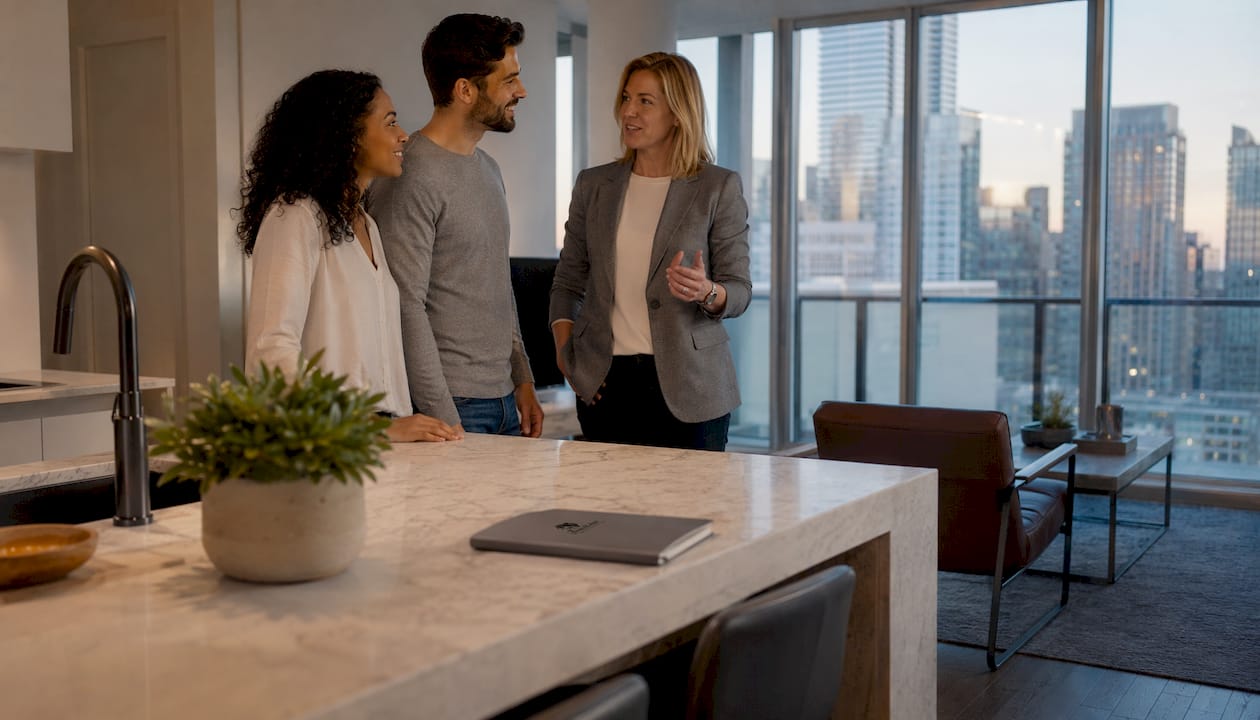
The physical walkthrough remains the critical conversion point for buyers, even after they have explored virtual tours. Buyers consistently report that room size and spatial flow feel different in person than online, and that gap is where the open house earns its place.
Renata Reid, Senior Vice-President of Sales at Sotheby’s International Realty Canada in Calgary, takes open houses further than most. Her events have featured live music, catered refreshments, and on one occasion, an Aston Martin on display. Her view is that buyers cannot get the aromas, the ambiance, or the emotional atmosphere online. “It creates an atmosphere that makes people feel welcomed and want to linger,” she says. “I take open houses to the next level.”
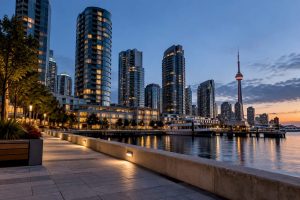
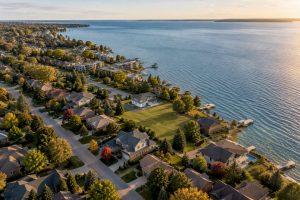
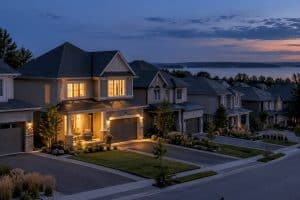
What I find with my own clients in Toronto and Innisfil is that the open house strategy needs to match the property and the market. A Friday Harbour waterfront property calls for a different approach than a detached home in a Toronto suburb. The lifestyle element matters enormously in lifestyle-driven markets, and the open house is often where that lifestyle becomes tangible for a buyer.
Do open houses work the same way across Canada?
The short answer is no. Regional variations are significant, and they track closely with affordability and buyer activity levels. Cities with stronger affordability conditions, including Winnipeg, Quebec City, Montreal, and Regina, tend to see more active open house participation than Toronto and Vancouver, where elevated prices have cooled buyer volumes.
St. John’s, Newfoundland offers a striking example of what a competitive seller’s market does for open house attendance. With inventory down and multiple-offer situations becoming routine, buyers are attending open houses in numbers that agents describe as energised. In that environment, an open house is a cost-efficient marketing tool and an industry standard that clients expect.
In the Greater Toronto Area, the dynamic is different but still relevant. Buyers from Mississauga, Brampton, and Toronto proper often spend weekends driving east to explore more affordable communities in Durham Region and beyond. They use open houses as the most efficient way to tour several properties in a single trip, and those visits sometimes lead directly to offers. What most buyers don’t realise is that an open house visit can be the only time they see a home before submitting an offer, particularly when inventory moves quickly.
Open house attendance and conversion: what the numbers show
Direct conversion rates from open houses to completed sales are modest by any measure. The National Association of Realtors puts the figure at about four per cent when including sales from “For Sale” sign calls.
That number, taken alone, undersells what open houses actually do. Their real contribution is earlier in the buying process: introducing buyers to neighbourhoods, building emotional connection to a property, and generating leads that convert through private showings later. In Calgary, there can be hundreds of open houses on a single weekend, reflecting how deeply embedded the practice remains in active markets. The Royal LePage survey found that 46% of agents believe open houses still attract quality buyers, with the top reasons being buyer flexibility (24%), agent prospecting (22%), and maximising buyer exposure in a short period (21%).
Virtual open houses gained traction during the pandemic but have not replaced in-person events. Technology drives awareness and brings buyers to the listing; the open house delivers the live experience that closes the gap between interest and commitment.
Legal and safety considerations for hosting an open house
Hosting an open house carries real legal and safety obligations that sellers and agents cannot afford to overlook. Property damage and bodily injury are the two primary liability exposures. A visitor who trips on an uneven step or damages a fixture during an open house can create a claim against the seller or the listing agent if proper precautions were not in place.
Sellers should confirm with their home insurance provider that their policy covers open house events and any resulting liability. Agents should carry errors and omissions insurance and review their brokerage’s liability coverage before hosting. A sign-in sheet with contact information is a basic but important practice: it creates a record of who attended and supports follow-up.
Securing valuables, prescription medications, and personal documents before the event is non-negotiable. Small items disappear at open houses more often than sellers expect. Some agents use a two-person team during busy events so that no room goes unmonitored. Privacy considerations also apply: sellers should remove personal photographs and documents that could reveal information about their identity, finances, or daily routines. For a fuller breakdown of risk management practices, the open house risk guide from Landvoice covers the key steps agents use to protect both sellers and themselves.
Working with Karinrotem to get your open house right
Knowing that open houses work best as part of a broader plan is one thing. Building that plan around your specific property, neighbourhood, and timeline is another. Karinrotem’s team brings hands-on experience in Toronto and Innisfil, including the Friday Harbour waterfront community, where lifestyle-driven presentation and targeted buyer engagement make a measurable difference in results.
What sets Karinrotem apart is the combination of local market knowledge and a full-service approach: professional photography, tailored staging guidance, digital promotion, and open house execution that fits the property rather than a generic template. For waterfront and lifestyle properties especially, the open house is where the emotional connection happens, and that moment deserves careful planning.
If you are preparing to sell and want to know whether an open house fits your strategy, browse current listings and open house events or review past sold results to see how the approach performs in practice. Reach out directly to discuss your property and get a plan that reflects your goals.
Key takeaways
Open houses remain a relevant and effective part of modern Canadian real estate selling when used as a complement to digital marketing, not as a standalone strategy.
| Point | Details |
|---|---|
| Modest direct conversion | About four per cent of sales are attributed directly to open houses, but their lead generation value is much broader. |
| Agent adoption is strong | 48% of Canadian agents use open houses in at least half their listings, reflecting ongoing confidence in the tool. |
| Regional results vary | Cities with stronger affordability, including Winnipeg, Montreal, and Quebec City, see more active open house participation than Toronto or Vancouver. |
| Preparation drives outcomes | Staging, professional photography, safety measures, and strategic scheduling determine whether an open house generates genuine leads. |
| Karinrotem’s approach | Karinrotem tailors open house strategy to each property and market, combining digital promotion with in-person presentation for Toronto and Innisfil sellers. |
FAQ
Do open houses actually sell homes in Canada?
Directly, rarely. About four per cent of sales are attributed to open houses, but they play a broader role by generating leads, building listing momentum, and introducing buyers to properties they later purchase through private showings.
What are the pros and cons of hosting an open house?
The main advantages are wider exposure, buyer lead generation, and real-time market feedback. The drawbacks include security risks, the time required for preparation, and the likelihood of attracting unqualified visitors alongside serious buyers.
What are the risks of hosting an open house?
Property damage, theft of valuables, and bodily injury liability are the primary risks. Sellers should confirm their home insurance covers open house events, secure personal items beforehand, and work with an agent who uses a sign-in process and monitors all areas of the home during the event.
What is the hardest month to sell a house in Canada?
January and February are typically the slowest months for Canadian residential sales, with reduced buyer activity and limited inventory movement. Spring, particularly March through May, consistently sees the highest transaction volumes and buyer competition.
How do virtual tours affect the role of open houses?
Virtual tours drive online interest and help buyers shortlist properties, but they do not replace the in-person experience. Buyers consistently report that room size, light, and spatial flow feel different in person than online, making the physical walkthrough the critical step before an offer is made.