
Yes, you can still owe commission after a listing expires or is cancelled, and the signed holdover wording decides it. Ontario sets no standard holdover period; a 30-day clause is one example, not a rule. Before you do anything else, check your expiry date and the exact clause, ask the brokerage for its buyer list in writing, and keep your showing and contact records.
TL;DR:
- Ontario sets no standard holdover period; a term of 30 days is only an example, so negotiate the shortest acceptable period before signing.
- The clause’s exact wording controls which buyers qualify, and some agreements require the brokerage to deliver a protected buyer list by a deadline.
- Save showing logs, messages, offers, and the signed agreement; these records can show whether the buyer’s interest began during the listing.
- Relisting or changing brokerages does not automatically end the former agreement; confirm cancellation and commission terms in writing, and seek legal advice if needed.
What is a holdover clause, and why do brokerages use it?
A holdover clause sits inside your listing agreement. In plain terms, it says that if someone who was introduced to your home during the listing sells to or buys from you after the agreement ends, the brokerage can still claim its commission. RECO Bulletin 2.3 says most representation agreements include one, that it often leads to consumer complaints, and that agents must explain it clearly before you sign.
The brokerage’s reasoning is simple: it spent money marketing your home, and it does not want a buyer it found to wait out the expiry and walk in the back door.
The regulatory backdrop matters too:
- O. Reg. 567/05 requires representation agreements to be in writing.
- Representation and remuneration must be addressed clearly, and TRESA guidance says the same about remuneration terms.
- If it isn’t in the signed agreement, you shouldn’t assume it exists, and if it is, you should assume it counts.
What I tell my clients is that this clause is not hidden fine print. It is a negotiated term, and you are allowed to negotiate it.
How long do holdover clauses last in Ontario?
In practice, a 30-day holdover period is one example sellers may encounter after expiry. Consumer coverage, such as this Toronto Star column, describes a 30-day clause as a common example and urges sellers to read the wording closely.
Those periods are examples, not law. RECO’s guidance on signing a contract with a brokerage is explicit:
That puts the work on you at signing:
- Ask for the shortest holdover you can get, especially in a busy market where homes sell fast.
- Check how the expiry date is written, since the holdover usually runs from that date.
- Confirm the length is something you actually agreed to, because RECO says sellers must accept it before signing.
A short term costs you little leverage when your home is likely to sell quickly. A long one can follow you into your next listing.
What triggers a holdover clause?
A holdover usually bites when a buyer was introduced to your home, shown it, negotiated for it or made an offer during the listing period, and then buys after it ends. The exact words in your agreement decide what counts, so read them for verbs like “introduced,” “shown” and “negotiated.”
When a claim comes up, these are the kinds of evidence that tend to matter:
- Showing logs and appointment records from the listing period.
- Emails, texts or messages between the buyer, their agent and the brokerage.
- Any written offers or counter-offers, even ones that went nowhere.
- The buyer list the brokerage provides after expiry, if your clause requires one.
Notice language can also control the result. Some clauses only apply if the brokerage sends you a list of protected buyers within a set number of days. If that step was missed, a brokerage’s claim can be weakened, which is why I always look for it first.
Pro Tip: Ask in writing for the brokerage’s buyer list the day your listing ends, and keep the reply.
For related contract points, see our guide to a seller representation agreement in Ontario.
What should you do if your listing is expiring, cancelled or relisted?
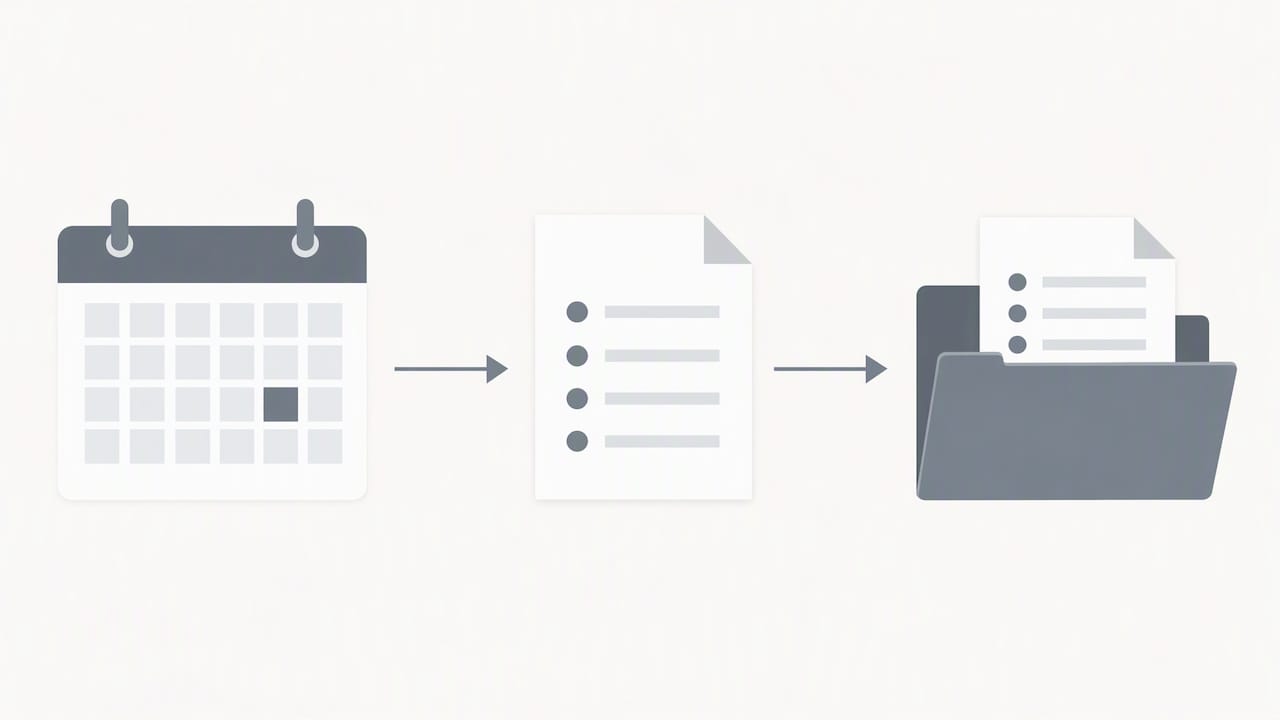
When a listing is about to end, a short checklist protects you:
- Read the holdover wording and note the exact expiry date.
- Request the brokerage’s buyer list in writing.
- Save every showing record, email and message from the listing period.
- Get any cancellation or relisting terms confirmed in writing, including what happens to commission.
- Keep a copy of the new agreement if you sign with another brokerage.
Cancelling and relisting is not a loophole. RECO’s seller checklist warns that changing agents does not automatically erase the former agreement, and it urges sellers to understand the clauses before letting a listing expire, relisting or selling privately. If an agent says “don’t worry about the old contract,” ask them to put it in writing.
If the wording is unclear or the stakes are high, get independent legal advice. RECO also suggests seeking it if you are unsure.
Pro Tip: Photograph or scan your signed agreement and expiry page now, so you are never relying on memory.
You may also want our checklist on Ontario seller disclosure requirements while you prepare.
How are holdover disputes decided in Ontario?
Disputes generally come down to contract interpretation and evidence. Ontario court decisions treat holdover disagreements as questions about what the signed wording says and whether the buyer was connected to the earlier listing, and RECO’s seller guidance reflects the same approach.
Here is what usually shifts the outcome:
- Whether the brokerage met a notice condition, such as delivering a buyer list on time.
- Whether marketing, showings or offers actually created the buyer’s interest during the listing.
- How precisely the clause describes the buyer and the sale.
- Whether you or the brokerage can produce clean records.
A claim can mean real money out of your sale proceeds, so the cheapest protection is a tidy file. Keep logs, emails and offers together, and you can refute a weak claim or recognize a strong one early.
What I tell my clients in Toronto and Innisfil about holdover clauses
What I tell my clients is this: negotiate the clause at signing, keep your showing logs and buyer contact records, and insist on written terms if you end a listing early. In a fast market, a short holdover can make sense. When a situation is complicated, I tell clients to get a lawyer to read the agreement first. If you’re unsure, having a local professional read it with you costs far less than guessing.
— Felix
How can our team help you review or negotiate a listing agreement?
If your listing is ending or you are about to sign one, we can walk through the holdover wording with you. We can review the agreement, check buyer lists, help you organize your documentation and negotiate with other brokerages when it matters. Reach out through our seller resources and contact page and we will look at your situation with you, no pressure.
FAQ
How long does a holdover clause last in Ontario?
It lasts as long as your signed agreement says. Ontario has no standard period, and a 30-day clause is only an example, not a rule.
Can I sell privately after my listing expires?
You can, but a holdover clause may still apply if the buyer was introduced during your listing. Check the wording and your expiry date before you agree to a sale.
Does cancelling and relisting cancel the holdover?
Not automatically. RECO’s seller checklist warns that changing agents does not erase the former agreement, so get any change confirmed in writing.
What should I ask for when my listing ends?
Ask the brokerage for its buyer list in writing and keep your showing and contact records. Those documents are what a later dispute usually turns on.
Sources
-
Signing a contract with a real estate brokerage
Does your listing contract include a holdover clause? Ask Joe](https://www.thestar.com/life/home-and-garden/does-your-listing-contract-include-a-holdover-clause-ask-joe/article_a3aebfdc-8e07-5e62-bab2-ebc6352fcc21.html)