Fractional cottage ownership exists in Ontario, and a programme share often buys a set number of weeks each year. Before you buy, plan for Ontario land transfer tax, CRA reporting rules and a lawyer-reviewed co-ownership agreement. We walk through the models, the tax and legal must-dos, and your next steps below.
TL;DR:
- Confirm whether a share gives you title, assigned use weeks, or membership, and check resale rights, peak week rotation, rental rules, and operator fees.
- Ontario calculates land transfer tax on the fair market value of consideration for a fractional resort interest, including related costs; include it in closing.
- Report rental income according to ownership percentage, separate personal use expenses, and check whether a vacation property exemption still requires an Underused Housing Tax return.
- Align title and wills with a written agreement covering valuation, buyouts, scheduling, and defaults, because any owner can ask a court to order a sale.
- Ask for operating statements and reserve balances before buying; a thin reserve can trigger special assessments for major repairs such as a roof or dock.
What does shared cottage ownership mean in Ontario?
When a listing says “fractional,” it can mean very different things, so identify which model you are looking at first.
- Developer-operated fractional programme: a resort or operator sells shares in a property and runs it for the owners, including booking and upkeep.
- Direct co-ownership: you and other buyers, often friends or family, hold title together as tenants in common, with no operator in between.
- Corporate or trust structures: some groups hold the cottage through a company or trust, which changes the tax picture.
Programme shares typically provide a set number of weeks per year, usually as fixed weeks or seasonal blocks. Some properties are fully managed, while self-managed shares leave cleaning, repairs and scheduling to the owners. Where an exchange programme is offered, it lets you trade weeks at other properties. What most buyers don’t realize is that the label tells you almost nothing: the paperwork behind it does.
How do ownership packages, booking and management work?
In a programme, you usually buy a beneficial interest or an interval rather than a whole property. Here is what that means in practice.
- What you hold: read whether you own a share of title, a right to use assigned weeks, or a membership. Each carries different rights on resale.
- What is included: typical inclusions are your assigned weeks, cleaning and management, and sometimes membership or exchange options.
- How weeks are scheduled: programmes use fixed weeks, rotating seasons or point systems. Peak summer weeks are the ones that matter most, so ask how they rotate.
- Trading and renting: check whether you may swap weeks or rent them out, and what the operator charges to do so.
- The operator’s role: the manager handles the property and charges a management fee. Ask for the operating budget and the reserve fund balance.
- What to compare: a thin reserve fund means a special assessment is more likely when the roof or dock needs replacing.
If the operator doesn’t show you the budget, treat that as your answer.
What Ontario and Canadian tax and legal rules apply?
Three sets of rules shape your costs, so get them straight before you make an offer.
Ontario’s Ministry of Finance confirms that acquiring a beneficial interest in a fractional ownership resort is subject to land transfer tax.
Land transfer tax is calculated on the fair market value of the consideration you give for the interest, including related costs. That means your closing budget must include it even though you are buying only a slice of the property.
For how the tax is worked out in detail, see our Ontario land transfer tax guide.
- Rental income: the CRA treats vacation property owners as co-owners, so rental income is reported by ownership percentage, and personal-use expenses must be separated out.
- Underused Housing Tax: the CRA publishes a vacation property exemption, and claiming it can require filing a return.
- Structure: a corporation or trust can create filing obligations a simple co-ownership would not.
Our practical advice: get a land transfer tax estimate, speak to a tax adviser about rental reporting and capital gains, and confirm what filings your structure triggers.
What should a co-ownership agreement cover before you commit?
Title is your first decision. With joint tenancy, a deceased owner’s share passes to the survivors. With tenancy in common, each owner holds a separate share that passes by will, which is why practitioners recommend aligning your title, wills and agreement. Ontario’s government guidance also stresses a formal legal co-ownership agreement covering usage, scheduling and shared responsibilities.
An agreement worth signing includes:
- buy-sell triggers and a clear valuation method
- a right of first refusal for existing owners
- how costs are allocated, and remedies if someone defaults
- scheduling and guest rules
- dispute resolution and succession planning
The stakes are real. Under Ontario’s Partition Act, any co-owner can apply to court for a partition or sale if the owners cannot agree, and courts often order a sale. Vague exit terms have been struck down before, as in Glory v. Hagey.
Pro Tip: Have a lawyer review the agreement, and require a reserve fund for capital repairs and emergencies.
What does it cost to buy and run a share?
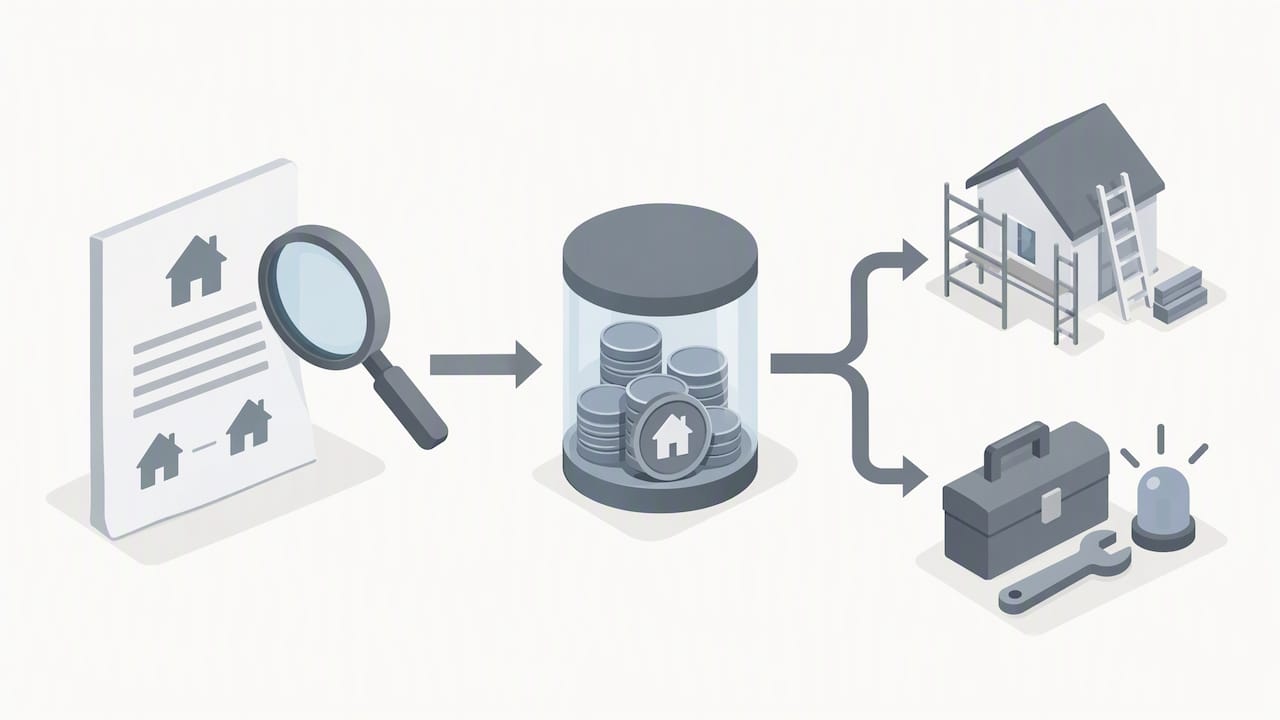
Budget in two layers, starting with what you pay at closing.
- Upfront: your share of the purchase price, land transfer tax, legal fees and closing costs. Ask about resale or transfer fees and whether HST applies on a resale.
- Recurring: maintenance, property taxes, insurance, utilities, management fees and reserve contributions. Costs are usually split by percentage share, though a custom split in the agreement is possible.
- Rental income: agree up front how income is allocated. Under CRA rules, only the rental portion of expenses is deductible, as the guidance on expenses you cannot deduct explains.
- Use records: keep a log of who stayed when. Personal and rental days drive your tax reporting.
If you plan to rent out your weeks, our guide to splitting vacation rental income shows how co-owners usually handle it. Before buying, ask for detailed operating statements and proof of an adequate contingency reserve.
Where can you find fractional cottages and co-ownership partners?
Opportunities turn up in a handful of places, so check each one.
- Operator pages: developer and resort fractional programme sites, plus specialist resale listings.
- MLS: search with waterfront filters, since some shares are listed there.
- Community networks: local forums and social groups where owners sell or look for partners.
- A local agent: someone experienced in waterfront and resort properties can find shares that never reach public listings.
Whatever you find, vet it the same way. Ask for title evidence, any existing co-ownership agreement, the operating budget and reserve fund, the management contract, disclosure of outstanding liabilities, and resale restrictions. Then act: instruct a lawyer to review title and the agreement, get a tax estimate, and confirm insurance and management arrangements before you go firm.
What I tell my clients about fractional ownership
What I tell my clients is that fractional ownership suits people who want a few good weeks each year without the full cost or upkeep of a cottage. If you’d use a place most of the summer, buying outright usually wins, and if you’d use it a week or two, renting may beat both. Family dynamics matter too. I walk away from deals with thin reserves, unclear resale rules or no lawyer-reviewed agreement. Here near Toronto and Innisfil, I help clients request documents, check title and tax, and negotiate conditions into the offer.
— Felix
How can we help you evaluate fractional cottage opportunities?
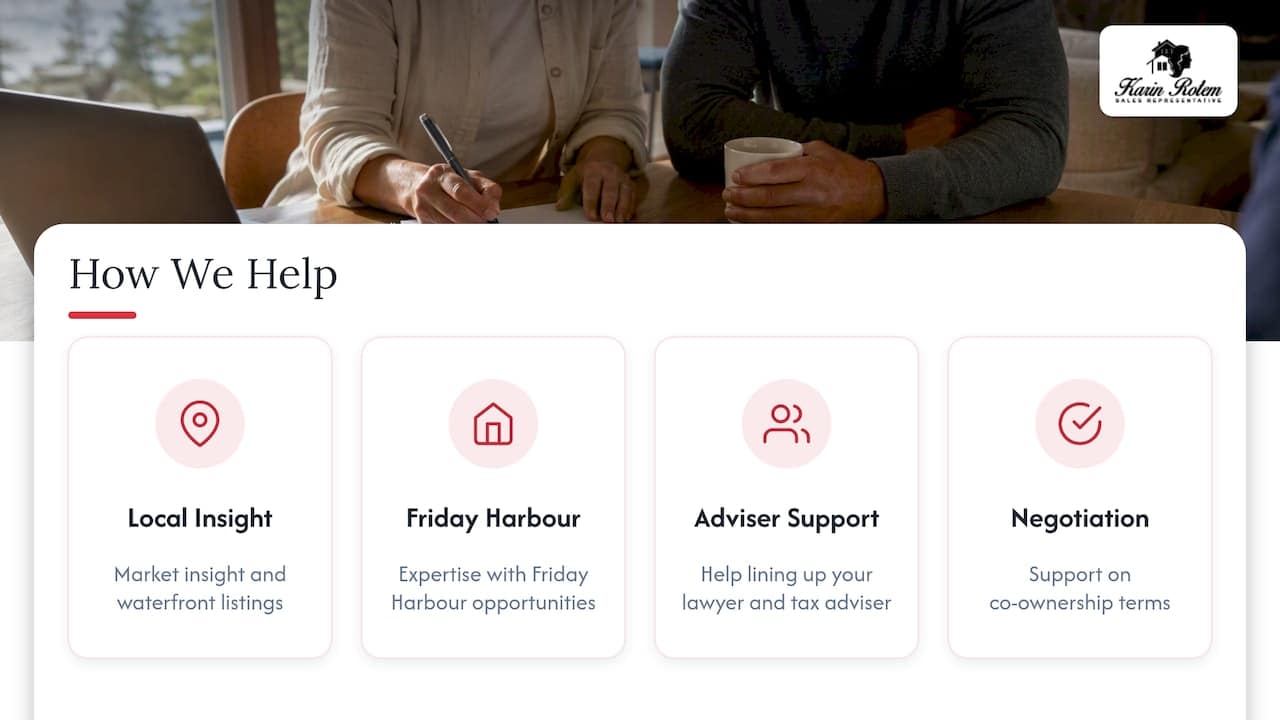
We help you judge whether a share is worth buying before you commit. That means local market insight, access to waterfront listings, Friday Harbour expertise, help lining up your lawyer and tax adviser, and negotiation support on co-ownership terms. Send us the documents for an initial review, ask for waterfront listing alerts, or book a consultation. Start with our tailored real estate solutions or browse Friday Harbour condos for sale. A second home near Toronto can also be a fit, and our overview of owning a second home in Ontario covers the case for it.
This article is general information, not a substitute for advice from a qualified financial advisor. Consult a qualified financial professional about your own circumstances before acting on anything here.
FAQ
Where can I find fractional ownership cottages in Ontario?
Start with developer and resort programme pages, then check MLS waterfront listings and owner groups. A local agent experienced in waterfront and resort properties can also surface shares that are not widely advertised. Vet every opportunity with a lawyer before you sign.
What are the disadvantages of fractional ownership?
You get limited weeks, shared decisions and exit rules you do not fully control. Without a lawyer-reviewed agreement, a disagreement can end in a court-ordered sale under the Partition Act. Thin reserve funds can also lead to surprise assessments.
Can I invest in fractional property in Canada?
Yes. Ontario applies land transfer tax to fractional ownership resort interests, so you can expect that cost at closing. Rental income from your share must be reported by ownership percentage, so speak to a tax adviser first.
Can I have undivided co-ownership in Ontario?
Yes, through tenancy in common or joint tenancy, and Ontario guidance on co-owning a home describes these options. Pair either one with a written co-ownership agreement and matching wills so your plan works as intended.